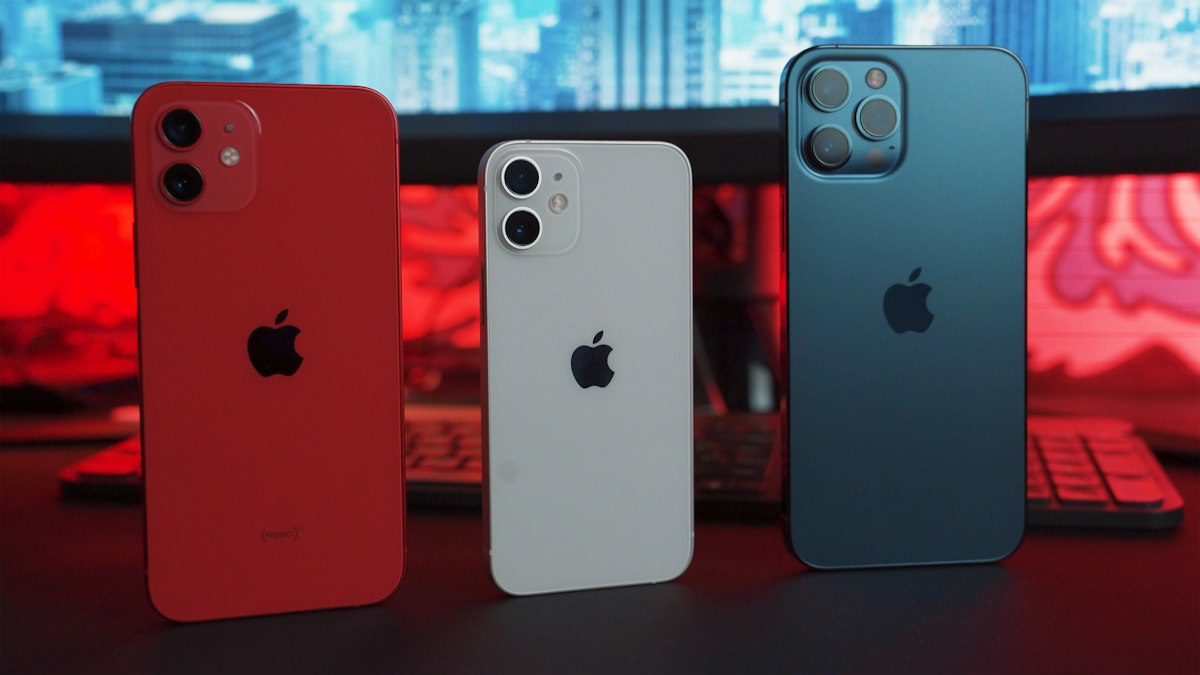
iPhone 18 Pro and Pro Max launch September 2026 with A20 chip (2nm), smaller Dynamic Island, 48MP variable aperture camera, and C2 modem — meaningful upgrades but incremental
Foldable iPhone (iPhone Fold) also arriving September 2026 — the real innovation, but unproven category with unknown pricing and durability
Standard iPhone 18 delayed until Spring 2027, so fall buyers are forced into Pro models or foldable. This is deliberate pricing strategy, not accident
You should upgrade if: your iPhone 17 battery is dying, you want better cameras, or you're curious about foldables. You should skip if: your iPhone 16+ still works fine
The iPhone 18 is here. Or coming. Or has always been here in a parallel timeline where Apple's naming strategy makes sense.
Let me break down what you actually need to know about Apple's September 2026 lineup, what the upgrades mean, and whether you should buy one.
Spoiler: The answer depends on your last phone and how much you actually use your camera.
What's Launching When
This is important because Apple is playing games with availability.
Why? Apple wants to force people who normally buy standard iPhones into Pro models (higher margin) or into the foldable experiment. It is a pricing strategy disguised as a release schedule.
The Real Upgrades (And What They Actually Mean)
1. A20 Chip (2nm Process)
What it is: Apple's next-generation processor built on 2-nanometer technology, representing the step down from the current 3nm process.
What it means: Faster performance, better efficiency, longer battery life. This is real.
The honest truth: Your iPhone 17 is already fast enough for everything except gaming. The A20 will make apps load 5-10% faster. You will not notice the difference except in benchmarks.
Who cares: Gamers, video editors, people doing computational work on-phone (rare).
2. Smaller Dynamic Island
What it is: The Dynamic Island is getting smaller thanks to Face ID components moving under the display, enabling the smallest display cutout in years.
What it means: More screen space at the top. Notifications fit better.
The honest truth: The Dynamic Island was already minimal. Making it smaller is like optimizing the last 5% of screen real estate. It is not a game-changer.
Who cares: People who hate visual clutter. Everyone else: you will not think about it after day one.
3. 48MP Variable Aperture Camera
What it is: The iPhone 18 Pro could feature a 48MP variable-aperture main camera, offering improved light control, photography flexibility and potentially better low-light results.
What it means: Better photos in low light. More flexibility in portrait mode. Zoom without quality loss.
The honest truth: If you take photography seriously, this upgrade matters. If you take the occasional photo at dinner, your iPhone 17 camera is already better than 99% of situations.
Who cares: Photographers, Instagram content creators, people who care about photo quality.
4. C2 Modem (Apple's Custom 5G)
What it is: Apple is reportedly prepping the C2 modem, the follow-up to the C1. This next-gen 5G chip aims to fully cut ties with Qualcomm. Expect better mmWave support, carrier aggregation for faster downloads, and a focus on power efficiency.
What it means: Faster 5G, better battery life from connectivity improvements.
The honest truth: Your current 5G speeds are already fast. Making them 10% faster is imperceptible. The battery life improvement might save you 30 minutes a day.
Who cares: People in areas with poor 5G coverage (marginal improvement) and people who care about battery life (meaningful but not dramatic).
5. LTPO+ Displays
What it is: New LTPO+ displays pushing refresh rates even faster while managing battery life more efficiently.
What it means: Smoother scrolling, better battery management.
The honest truth: Your iPhone 17 already has LTPO display. LTPO+ is incremental. The difference is visible only in side-by-side comparison.
Who cares: People who scroll a lot and care about visual smoothness.
6. The Foldable: iPhone Fold
What it is: A new foldable iPhone, the real innovation Apple is introducing in the iPhone 18 lineup.
What it means: A phone that folds. Opens to a larger screen. Closed to a normal phone size.
The honest truth: This is the only genuinely new thing. But:
Durability is unproven
Pricing is unknown (likely $1,800-2,200)
The folding mechanism is always a weak point
It is heavier and thicker when folded
Who cares: Early adopters, people who want a tablet in their pocket, people who have money to spare on something that might break.
A Minimal Design Evolution
The iPhone 18 Pro and Pro Max are expected to retain the basic sizes and designs of this year's models. However, there are three noteworthy changes: Smaller Dynamic Island, Unified look on back blending aluminum and glass areas, and New color options.
Translation: This is not a redesign. It is a refinement. If you held iPhone 17 Pro and iPhone 18 Pro side-by-side, they would look nearly identical.
A minimal two-phone comparison sketch. Left: iPhone 17 Pro. Right: iPhone 18 Pro. Show them almost identical except for tiny differences — slightly smaller notch at top, slightly more unified colors on back. At bottom, label: "Differences so subtle you'll miss them in person."
Who Should Buy iPhone 18 Pro/Pro Max
Buy if:
Your current phone battery health is below 80% (battery is dying)
You take photography seriously and want better low-light performance
Your iPhone is 3+ years old and feels noticeably slow
You want the latest tech and have money to spend
Skip if:
Your iPhone 16 or 17 still has good battery health
You do not take photos that require premium camera performance
You mainly use your phone for messages, email, and social media
You are waiting for the standard iPhone 18 (coming Spring 2027 at lower price)
Wait if:
You have an iPhone 15 or earlier (the jump to iPhone 18 is more meaningful)
You want the standard iPhone (not Pro) — it launches in Spring 2027
Who Should Consider the Foldable (iPhone Fold)
Buy if:
You have $2,000+ to spend on an experimental device
You want a tablet-sized screen in your pocket
You are willing to accept potential durability issues
You want to be early to the foldable market
Skip if:
You want durability and reliability (foldables are still unproven)
You need the phone to work for 3+ years without repairs
You are on a budget (this will be the most expensive iPhone ever)
You are not convinced foldables are actually useful
Wait if:
You want to see real-world reliability reports (give it 6 months)
You want to know the actual pricing (Apple hasn't announced it yet)
You want to see if this category actually takes off or remains a niche