
The Future of AI: What Developers Need to Know in 2025


Mar 12, 20267 min read
How I Decide What to Learn When Everything is Changing Too Fast
New frameworks every week. AI rewriting the rules. Everyone has a hot take on what you should learn ...
Devesh Korde
March 12, 2026
I read Cal Newport's Deep Work two years ago, felt inspired for a week, and changed nothing. Then I got a new job that exposed the gaps in how I worked in ways I couldn't ignore, and I revisited the ideas more seriously.
Here's what I actually implemented, what surprised me, and what I'd tell someone just starting.
The concept is simple: some work requires sustained, uninterrupted concentration that produces real value. Most of what fills our days — email, Slack, meetings, quick requests — is shallow. It has to happen but doesn't require deep cognitive effort.
The problem: shallow work expands to fill available time, and once you're accustomed to constant stimulation, deep work becomes uncomfortable and difficult to access.
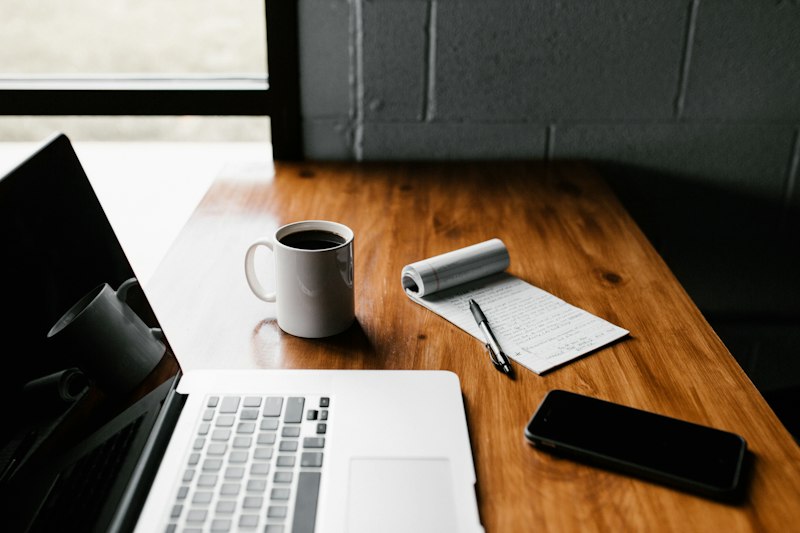
Time blocking: I block my calendar in the morning for two 90-minute deep work sessions. No meetings. Phone face down, notifications off, one task.
This was harder than it sounds. The first week I failed most days — something always felt urgent enough to interrupt. The trick I eventually found: treat these blocks like external appointments. If someone schedules a meeting in that time, I decline with "I have a prior commitment."
The shutdown ritual: Newport recommends a clear end-of-workday ritual to tell your brain that work is done. I started saying out loud (at my desk): "Shutdown complete." Feels silly, works remarkably well. The 9pm Slack checking dropped significantly.
A second brain for capture: Anytime a thought or task surfaces during deep work, I write it down immediately and return to the task. Not Notion, not a task app — a physical notebook next to me. The act of writing it down creates enough closure that the thought stops competing for attention.
The discomfort is temporary. The first week of trying to hold focus for 90 minutes felt like trying to run a 5K having never exercised. By week three, something shifted. The ability to concentrate is trainable, but the training is uncomfortable in ways people don't warn you about.
Social media withdrawal is real. I reduced my phone checking dramatically during work hours. For about ten days, I felt genuinely anxious — a low-grade restlessness that I initially attributed to other causes. This was withdrawal from the dopamine pattern. It passed.
My output didn't look more productive from the outside. I was writing more, thinking more clearly, solving problems faster — but my Slack presence was lower, my response times were slower, and my email was less tidy. One manager asked if I was okay. The metric of "visible responsiveness" is at war with the metric of "doing meaningful work."
Open office environments (including open Slack cultures in remote work) are designed for the appearance of collaboration and accessibility, not for cognitive performance. Deep work requires pushback against social norms around availability and response time.
This has professional costs. Being the person who doesn't immediately respond, who declines some meetings, who has calendar blocks that prevent scheduling — this creates friction with colleagues accustomed to different norms.
The way I've navigated this: be transparent about why, be reliable about the work you do produce, and choose your environment carefully. Some organizations genuinely value focused work; others pay it lip service while punishing the practice.

Start small. Don't try to do four-hour deep work blocks from day one. Start with one 45-minute block per day with your phone in another room. Do this for two weeks before you add another.
Track what you're actually producing during deep work, not just whether the sessions happened. The goal is meaningful output, not the ritual of sitting quietly.
Be honest about whether your environment supports this. You can't deep work your way out of a job that is structurally about responsiveness and coordination. The environment matters enormously.
Two years in: I'm slower to respond to messages, I do fewer things but finish more of them, and the work I'm most proud of almost all came from concentrated focus rather than quick-hit productivity.
That's the trade. Whether it's worth it depends on what you're trying to build.